
Hypnotherapy for Snus
It may look small and harmless, but behind that discreet pouch is nicotine, one of the most addictive substances we know.
Snus and nicotine pouches are placed between the lip and gum, where nicotine is absorbed into the body. Their discrete nature and lack of smoke or vapour can make them appear harmless, but they can still create a strong dependence that is both physical and psychological.
Nicotine affects the brain’s reward system by releasing dopamine, creating temporary feelings of calm, focus and relief. Over time, the brain begins to associate nicotine with these feelings, which can turn occasional use into a difficult to break habit.
For many people, snus becomes connected to everyday moments: managing stress, concentrating at work, driving, socialising or simply taking a break. These associations can create powerful subconscious patterns that continue the cycle of dependence.
As snus and nicotine pouches become increasingly accessible, affordable and socially accepted, more people are finding themselves struggling with a habit they never intended to develop.

The Medical Side Effects
The effects of snus and nicotine products shouldn’t be underestimated.
Regular use can contribute to:
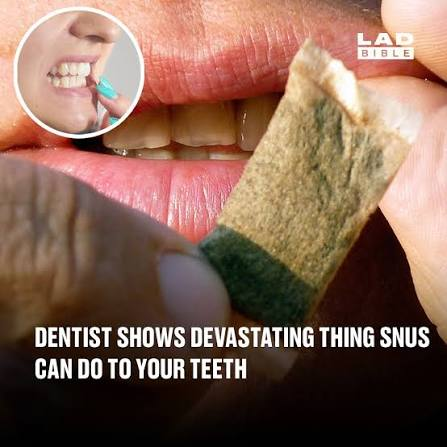
- Receding gums and gum damage, particularly around the area where the pouch is repeatedly placed.
- Irritation and damage to the tissues inside the mouth.
- Oral health problems, including problems affecting the gums and teeth.
- Nicotine dependence, which can create both physical and psychological cravings.
- Exposure to potentially harmful chemicals. Tobacco-based products can contain toxic and carcinogenic substances, and with some products, consumers may not fully understand all of the substances they are being exposed to.
- Cancer risks associated with smokeless tobacco. The level and type of cancer risk varies depending on the particular product, but smokeless tobacco should not be considered harmless.
- Potential reproductive and fertility concerns. Nicotine and tobacco exposure may affect reproductive health, although the evidence varies between products and individuals.
The important message is simple:
You don’t have to smoke something for it to affect your body.
Why It Becomes So Addictive
Nicotine affects the brain’s reward system by increasing dopamine, creating temporary feelings of pleasure, calm, focus or relief.
Over time, the brain begins to associate nicotine with those feelings.
What started as one pouch can become several.
Then it becomes part of the morning routine.
Then something you reach for when you’re stressed.
Then something you feel you need before work, while driving, after eating or when socialising.
Eventually, the person may not even consciously think about taking nicotine. Their brain has learned the pattern.
The Hidden Psychological Habit
Nicotine dependence isn’t only about the chemical itself.
It’s also about the associations that develop around it.
Stress can become a trigger.
Boredom can become a trigger.
Driving can become a trigger.
Having a coffee can become a trigger.
Finishing a meal can become a trigger.
Even certain people, places or times of day can automatically create the urge.
This can create a cycle:
Trigger → craving → nicotine → temporary relief → stronger association → another craving.
And the cycle continues.
How Hypnotherapy May Help
This is where hypnotherapy can sometimes help.
Hypnotherapy can work with the subconscious patterns involved in habits, emotional responses and automatic behaviours. Rather than relying entirely on willpower, it can help you explore the triggers and associations that have become connected to nicotine use.
Through hypnotherapy, you can learn to recognise the situations that drive cravings and develop healthier responses to stress, emotions, routines and other triggers.
It may help you:
- understand the patterns behind your nicotine use
- reduce the emotional pull of cravings
- identify and change automatic triggers
- strengthen motivation and confidence
- develop healthier ways of responding to stress
- feel more in control of your choices
- change the associations your mind has created around nicotine
The goal isn’t simply to tell yourself:
“I need to stop using snus.”
It’s about changing the relationship your mind has developed with nicotine.
Because lasting change isn’t just about stopping a behaviour.
It’s about understanding the patterns that keep the behaviour in place — and learning that you can respond differently.
The pouch may be small. The addiction it creates can be anything but.